






Is Cervical Cancer Genetic?
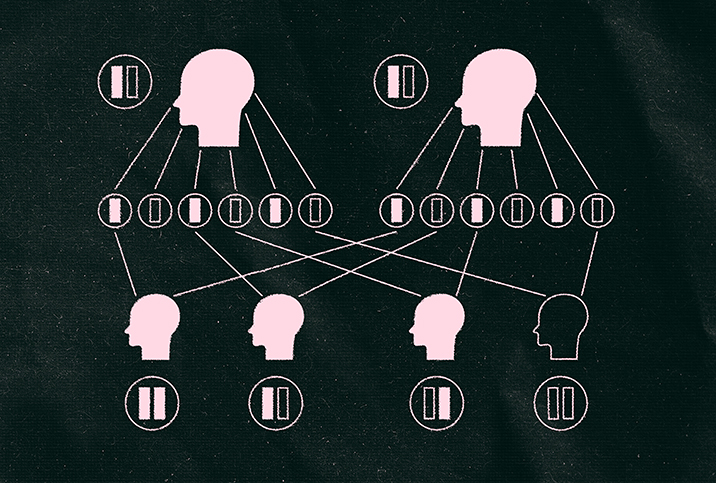
Yes, genetics does play a role in the development of cervical cancer; however, it is not the main determining factor. The primary cause of the majority of cervical cancer cases is persistent infection with high-risk types of human papillomavirus (HPV), a sexually transmitted infection. While most HPV infections clear on their own, when they do not, they can cause abnormal changes in the cervical cells that may progress to cancer. The interplay between an individual's genetic makeup and external factors like exposure to HPV influences their susceptibility to developing cervical cancer. Certain genetic variations can affect immune response or cellular repair mechanisms, making some individuals more prone to persistent HPV infections and thus escalating their risk. Despite this genetic component, prevention strategies such as HPV vaccination and regular screening have proven highly effective in reducing the incidence of cervical cancer.
Popular Articles





Related Articles