







The 10 Most Common SSRI Side Effects

Selective Serotonin Reuptake Inhibitors (SSRIs) are some of the most prescribed medications in the world. They can be life- changing for people struggling with depression and anxiety, but like any medication, they come with potential side effects.
From fatigue to insomnia, here's a breakdown of the 10 most common SSRI side effects, why they happen, and what you can do about them.
1. 🤢 Nausea
When serotonin levels rise, your digestive tract (which actually houses most of your body’s serotonin receptors) can become overstimulated. This often leads to mild nausea, upset stomach, or occasional vomiting during the first few weeks.
What helps: Taking the medication with food and staying hydrated usually eases symptoms.
2. 😴 Drowsiness or fatigue
Some people find that SSRIs make them feel sluggish, foggy, or tired. This is due to serotonin’s role in sleep and energy regulation.
What helps: Taking your dose at night and maintaining a regular sleep schedule can reduce daytime fatigue.
3. 🌙 Insomnia
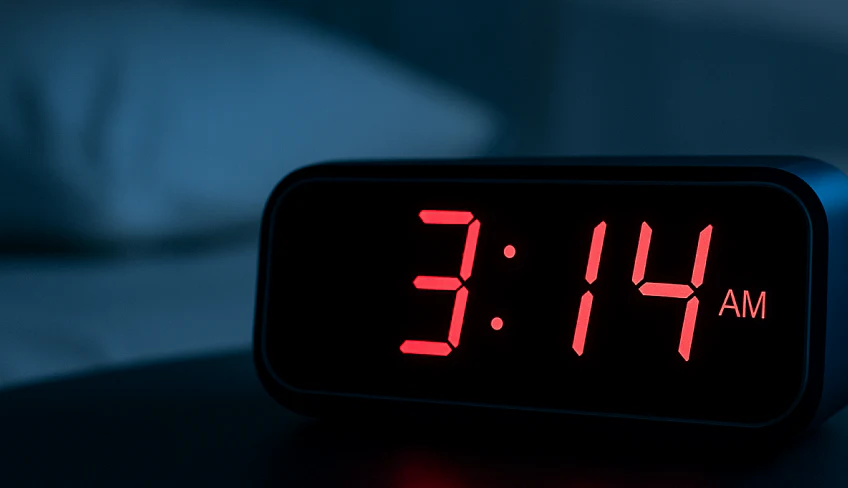
On the flip side, SSRIs can sometimes cause restlessness and trouble falling asleep, particularly medications with stimulating effects like fluoxetine (Prozac).
What helps: Morning dosing, limiting caffeine, and using relaxation techniques before bed can improve sleep quality.
4. 🤕 Headaches
SSRIs can cause tension-type or migraine-like headaches as your brain adjusts to new serotonin levels and changes in blood vessel activity.
What helps: Over-the-counter pain relief, rest, and consistent hydration typically help until your body adapts.

5. 🍑 Sexual dysfunction (including ED)
Sexual dysfunction is one of the most frequent SSRI side effects. Increased serotonin can inhibit dopamine activity, reducing sexual desire and performance. Common symptoms include low libido, delayed orgasm, and erectile dysfunction (ED).
What helps: Transitioning to antidepressants like bupropion may minimize these side effects. For men seeking non-pharmaceutical support, Eddie, a urologist-designed wearable device, offers a safe, effective, and clinically validated treatment.*
What helps: Talk with a clinician, consider dose/med changes, and discuss options like drug-free wearable support.

6. ⚖️ Weight gain
Weight gain with SSRIs is common over time. The drugs may alter metabolism and appetite hormones, making you feel hungrier or reducing activity levels.
What helps: Mindful eating, regular exercise, and, if necessary, discussing a medication change with your doctor.
7. 💧 Dry mouth
By reducing saliva production, SSRIs can cause persistent dry mouth, which increases the risk of cavities and gum irritation.
What helps: Stay hydrated, chew sugar-free gum, and consider using mouth moisturizers.
8. 🥵 Sweating & hot flashes
SSRIs can affect how your brain regulates temperature, leading to excessive sweating or night sweats — even when you’re not physically active.
What helps: Wearing breathable clothing and using clinical - strength antiperspirant may help. Severe sweating should be discussed with your doctor.
9. 😶 Emotional blunting
Many users describe a sense of emotional numbness or reduced intensity of feelings. While SSRIs can stabilize mood, they sometimes flatten emotional highs and lows.
What helps: Adjusting the dose or switching medications can often restore emotional balance.
10. 🩺 Gastrointestinal changes
SSRIs can alter gut health, causing diarrhea, constipation, or bloating. These symptoms usually improve over time.
What helps: Eating fiber-rich foods, staying hydrated, and avoiding excessive caffeine.
The bottom line
SSRIs are effective, safe, and widely used — but side effects like sexual dysfunction, fatigue, and weight changes can affect quality
of life.
The good news is that these effects are often temporary or reversible with dose adjustments, medication switches, or lifestyle changes.
Always talk to your doctor before changing or stopping your antidepressant. With the right guidance, you can find a balance between mental wellness and physical health.

*60 male adults participated in a clinical trial where researchers assessed the efficacy of Eddie over 12 weeks. Participants showed strong, significant improvement in erectile function.
Disclaimer: This website does not provide medical advice
The information, including but not limited to, text, graphics, images and other material contained on this Website are for informational purposes only. No material on this website is intended to be a substitute for professional medical advice, diagnosis or treatment. Always seek the advice of your physician or other qualified healthcare provider with any questions you may have regarding a medical condition or treatment and before undertaking a new healthcare regimen, and never disregard professional medical advice or delay in seeking it because of something you have read on this Website.
Popular Articles





Related Articles