






Discover one man's personal experience with erectile dysfunction in "Worsening ED Made Me the King of Denial."




The Physiology of an Erection
Find out how an erection works—and doesn’t work—on a cellular level.

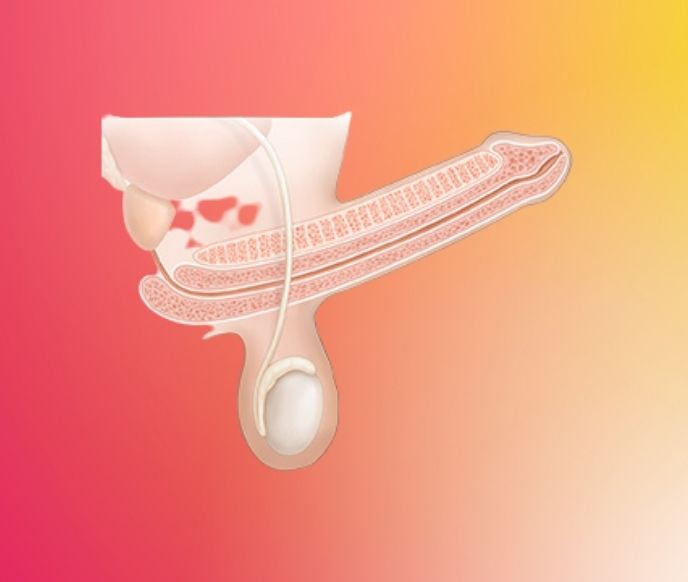
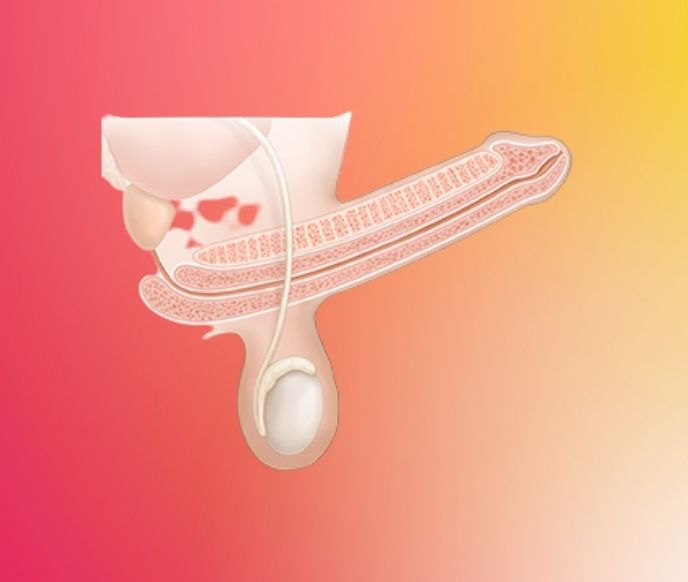
Erectile dysfunction is the inability to achieve and/or sustain an erection that is sufficient for sexual intercourse. While estimates of its prevalence vary widely, a 2018 review in Sexual Medicine reported that one-third of men suffer from erectile dysfunction. So how exactly does erectile dysfunction occur? In order to understand what doesn’t work, you have to understand what does. In the center of the penis lie two parallel cylinders of erectile tissue, the corpus cavernosa. The two cylinders that make up the corpus cavernosa have a small bridge that connects them, allowing them to function as a single unit. The corpus cavernosa are composed of spongy tissue that fills with blood to form an erection. Above the corpus cavernosa is the dorsal vein, which regulates blood flow out of the penis and into the rest of the body. Below the corpus cavernosa is the corpus spongiosum, which surrounds the urethra. When blood enters the penis to create an erection, it completely fills the corpus cavernosa but not the corpus spongiosum. This extra space in the corpus spongiosum prevents the tissue from constricting around the urethra, which would make ejaculation impossible. From top to bottom, the dorsal vein, the corpus cavernosa, the corpus spongiosum and the urethra together comprise the internal structure of the penis.
In a flaccid penis, a balance exists between blood flow in and out of the penis. During an erection, which you will learn more about below, blood flows into the corpus cavernosa and stops flowing out of the dorsal vein. Thus, blood is temporarily “stuck” in the penis for the duration of the erection. This elevated blood pressure within the organ, much like a balloon filling with water, is what hardens the penis and forces it to stand erect. When a stimulus is taken away, or after ejaculation occurs, blood flows back out of the penis through the dorsal vein and blood levels stabilize at a “normal” flaccid level. Keep reading to find out how, on a cellular level, each step of the erection occurs—and what goes wrong to cause ED.
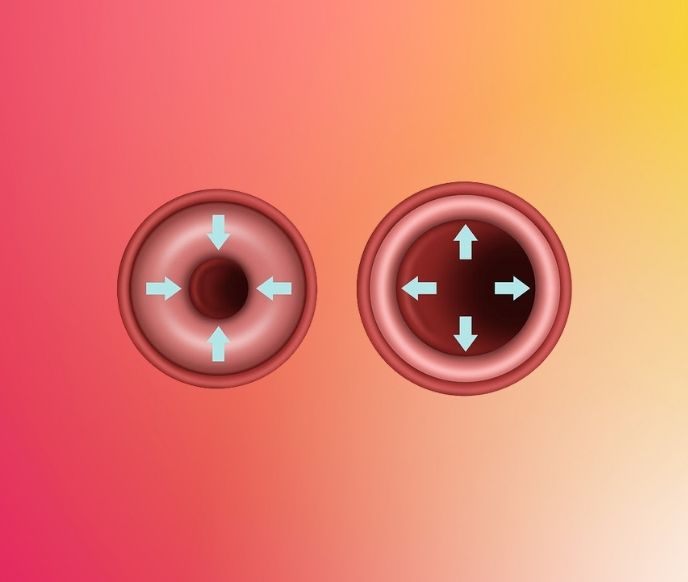
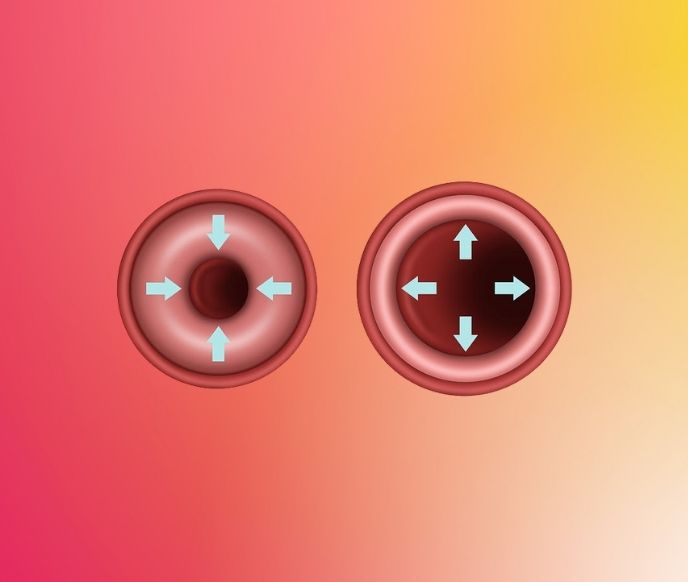
Step 1 - Arousal
Sexual arousal, caused by physical or mental stimulation, activates the hypothalamus, the body’s control system for unconscious functions. The hypothalamus triggers the autonomic nervous system to release nitric oxide, a relaxant produced by nearly every cell in the human body, from the nerve endings in the penis. Nitric oxide works by dilating, or opening, blood vessels to create more blood flow in the surrounding area. In the penis, nitric oxide stimulates the blood vessels in the corpus cavernosa—two masses of spongy erectile tissue that make up the bulk of the penis—to relax and open up.
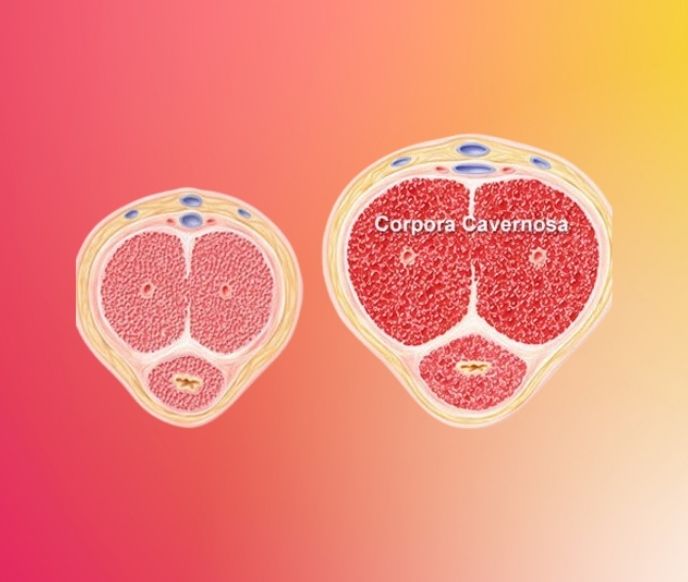
Step 2 - Erection
As the blood vessels in the corpus cavernosa open, blood rushes through the tissue, causing it to expand and harden. This increase in blood pressure within the penis pushes against the tunica albuginea, a fibrous outer layer of tissue that surrounds the corpus cavernosa. The tunica albuginea, which also surrounds the dorsal vein, collapses the vein and prevents blood from flowing out of the penis.
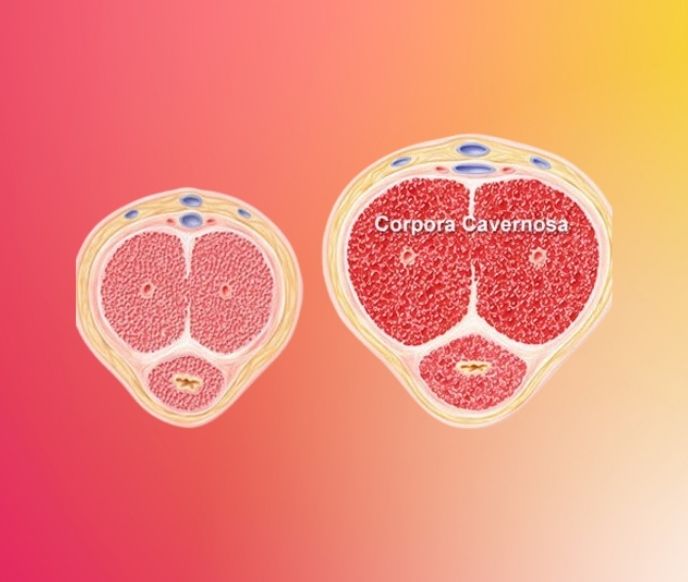
Step 3 - Maintenance
Nitric oxide is continually released during an erection, stimulating the blood vessels in the corpus cavernosa to maintain their relaxed state. This mechanism allows blood to continually flow into the penis, while the collapse of the dorsal vein prevents blood from leaving the penis. Essentially, blood is temporarily trapped in the penis for the duration of the erection.
Read more about the important role the dorsal vein has in erections in "Venous Leak Lets Boner-Boosting Blood Escape" by David Hopper.
What goes wrong to cause ED
Achieving and maintaining an erection involves a complex interweb of systems, including the hypothalamus sending neurological signals to the nerves in the penis, the nerves in the penis stimulating the release of a proper amount of nitric oxide and the nitric oxide successfully dilating blood vessels in the corpus cavernosa. A lot can go wrong at any stage of this process, physically and psychologically. Mental health conditions can even exacerbate pre-existing physical problems that mess with the mechanism of an erection.
The primary reason something physically goes astray is not having adequate blood flow into the penis. A variety of conditions, from diabetes to heart disease to smoking to excess weight, can create endothelial dysfunction, when a blood vessel is unable to dilate, or atherosclerosis, where plaque builds up in the blood vessels. Both of these conditions can impede blood flow and limit the amount of blood that enters the penis during an erection. If there isn’t sufficient blood flow into the penis, an erection can be impaired, or even completely prevented.
Most times, this physical condition is furthered by psychological conditions. For example, a minor physical condition can slow the rate of blood that flows into your penis, thereby causing a delayed erection. The resulting stress and anxiety about a delayed erection can make the condition even worse, potentially resulting in the complete inability to achieve an erection.